- summitk2adventure@gmail.com
- Govt.Licence: DTS-GB-161
- +92-3000537147

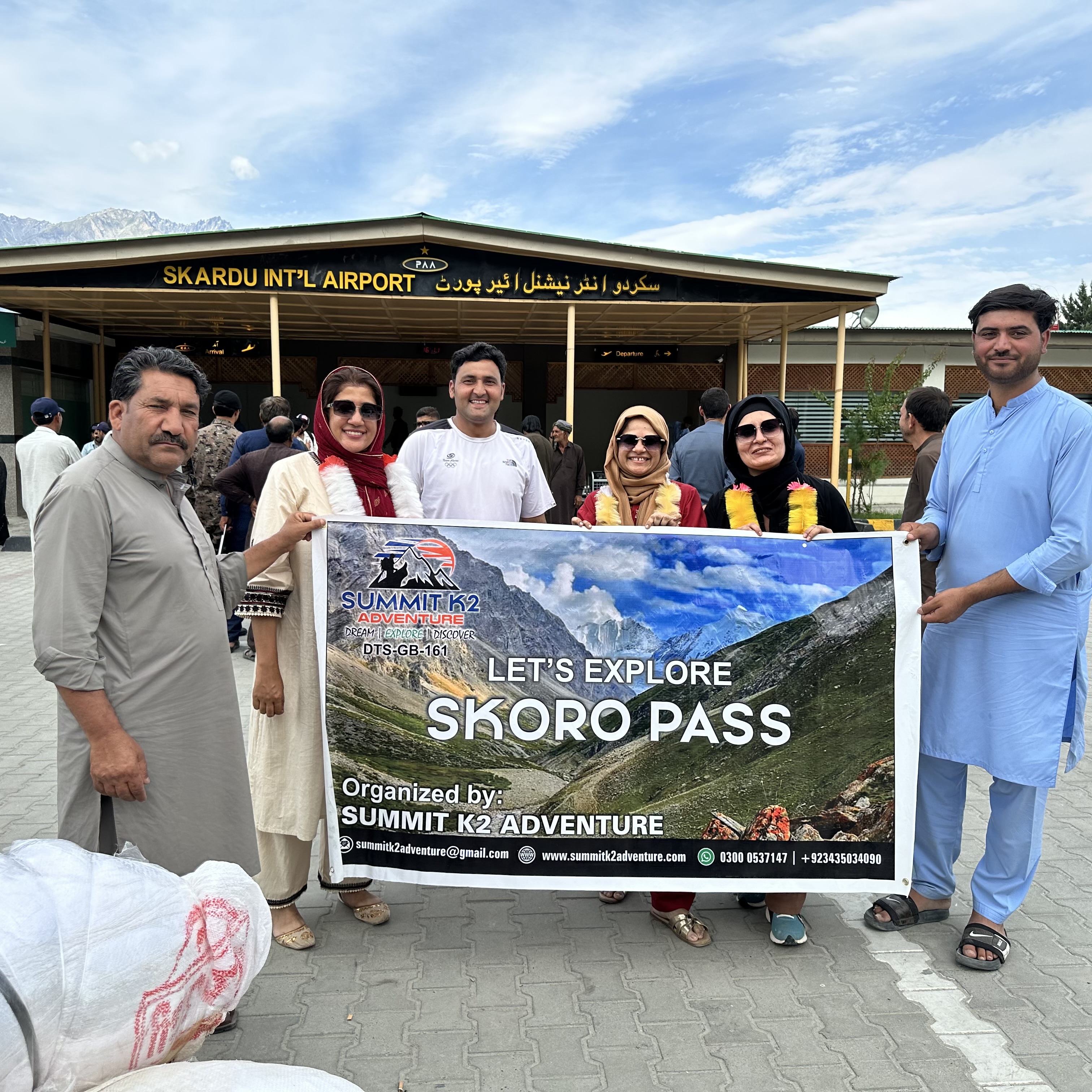
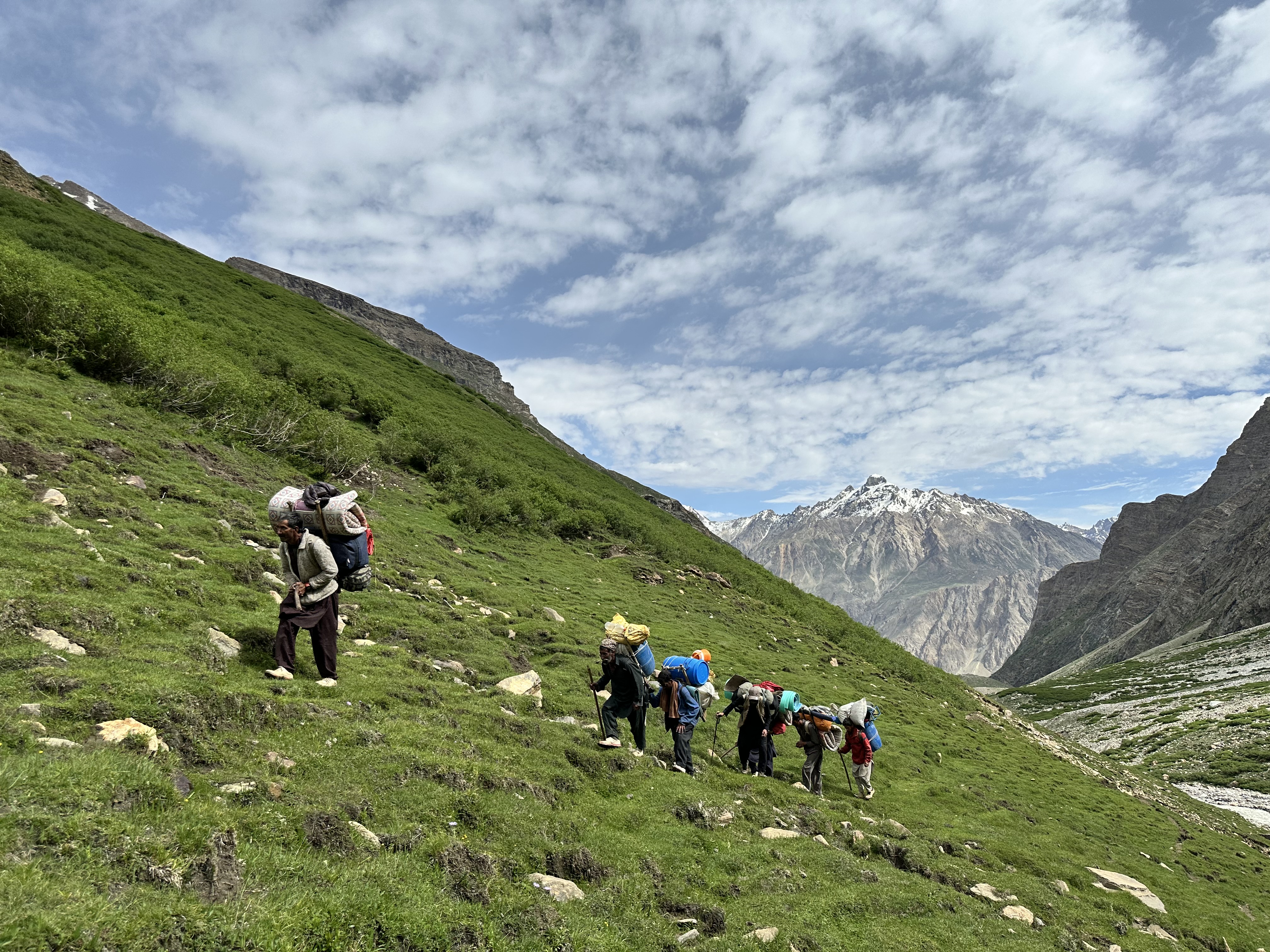
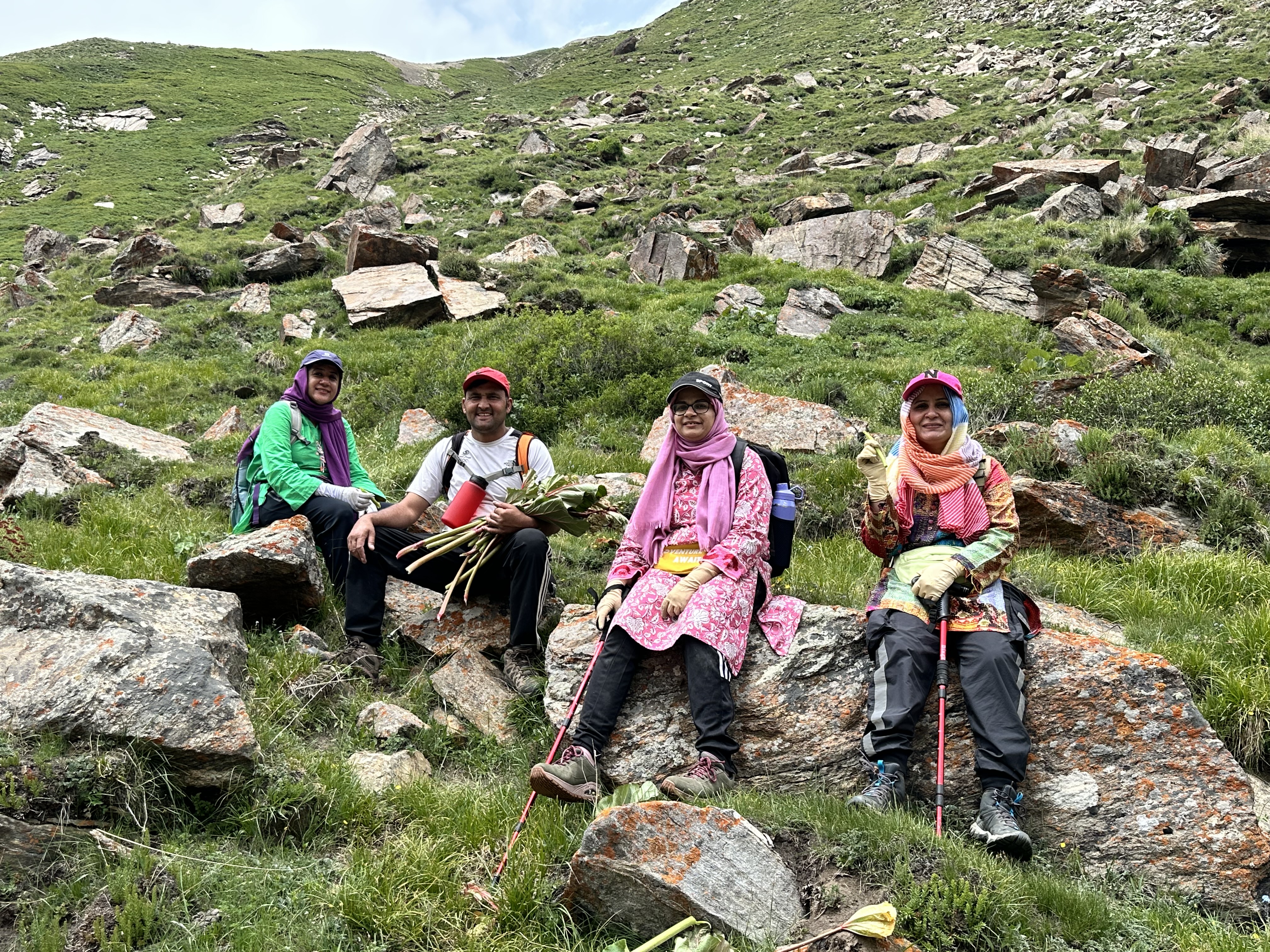
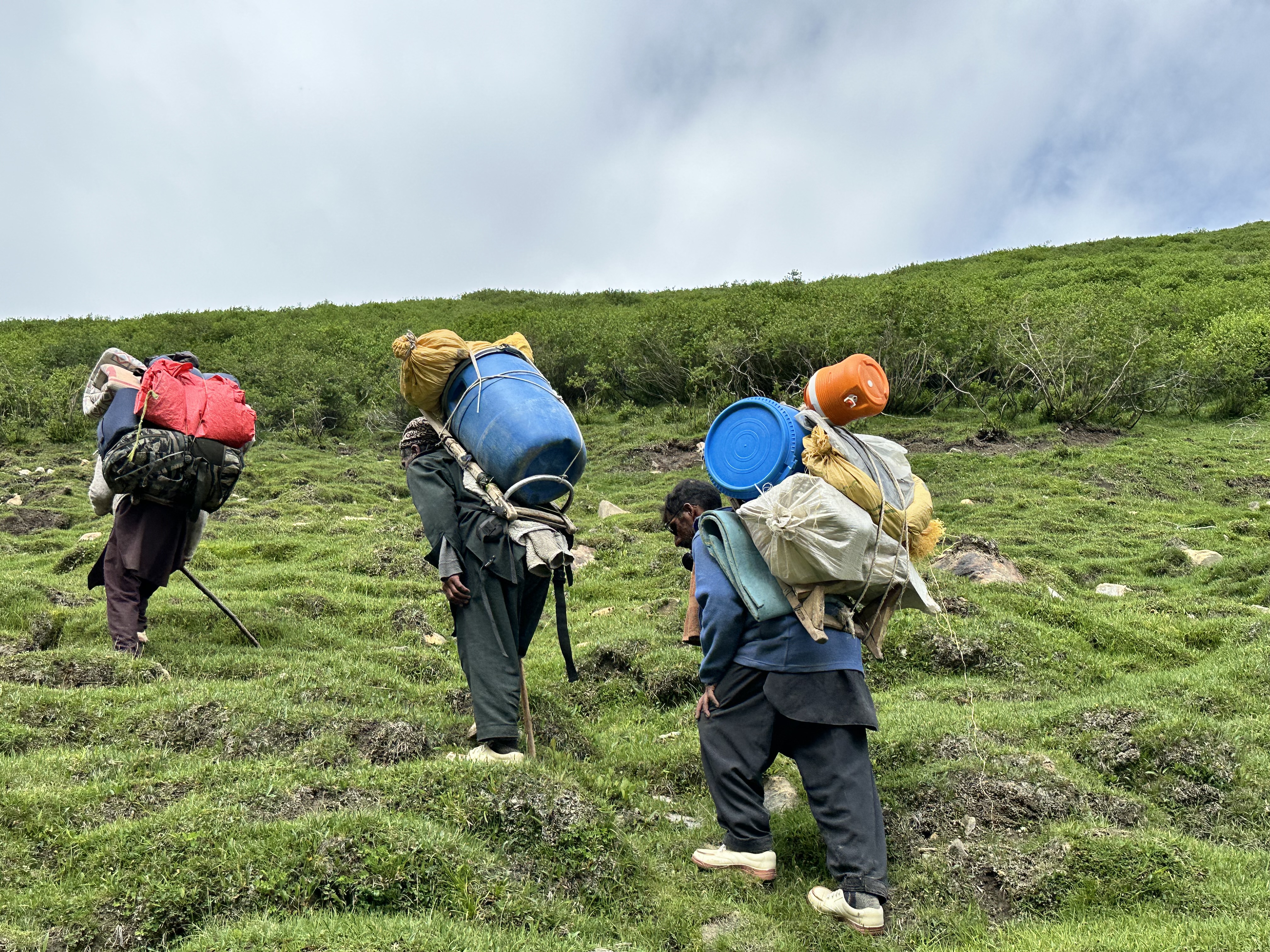
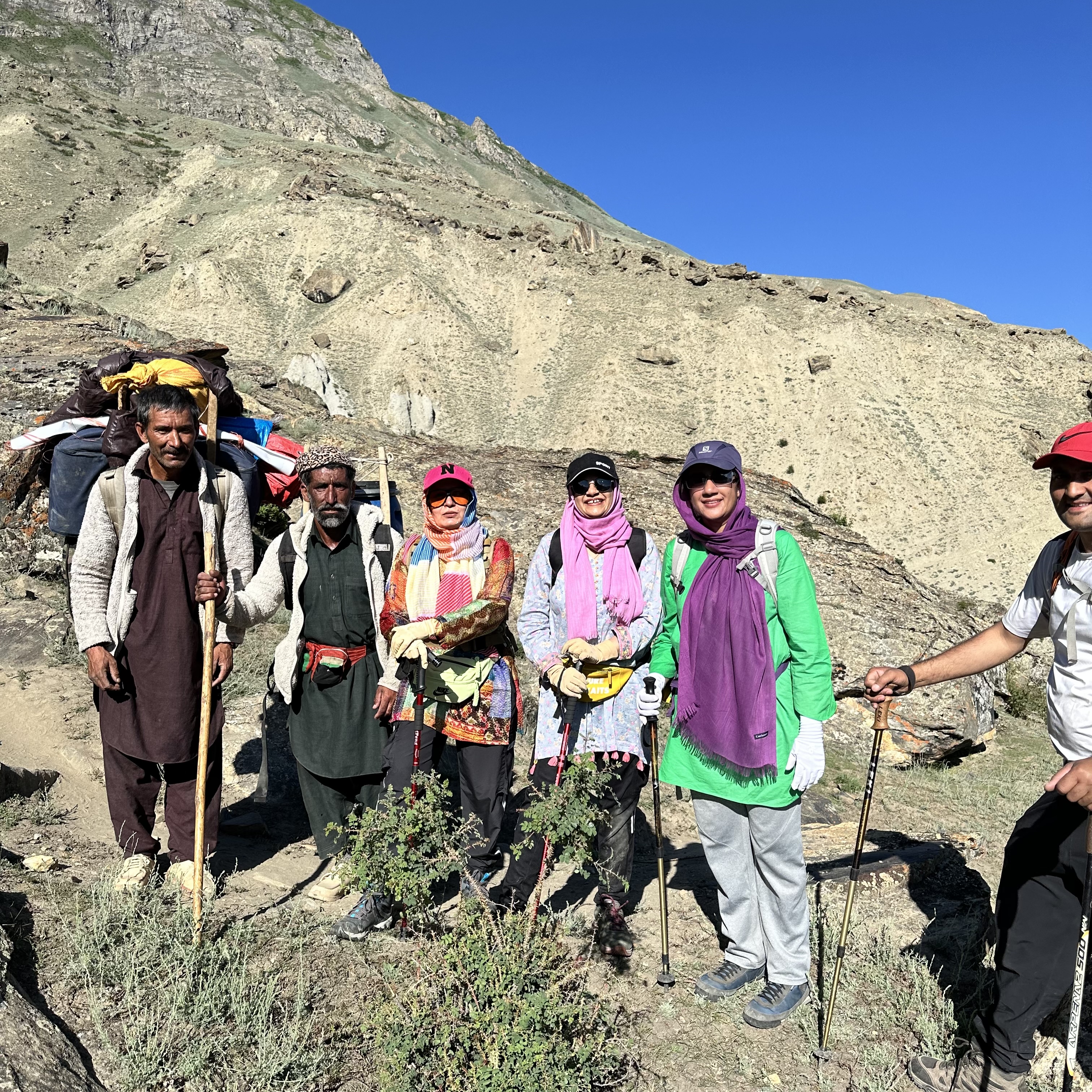
Skore La Pass is an exciting high-altitude trekking adventure in the remote Karakoram region of Pakistan. The trek offers a unique opportunity to explore the beautiful valleys, alpine landscapes, glaciers, and traditional mountain villages of Baltistan. The journey takes trekkers through Testay Valley and over the spectacular Skore La Pass before descending toward Skoro Valley. With stunning mountain scenery and a true wilderness experience, this trek is ideal for adventurous hikers looking for an off-the-beaten-path experience. The route combines challenging climbs, peaceful valleys, and unforgettable views of the Karakoram.
 Cross the spectacular Skore La Pass (approx. 5,150 m).
Explore the remote and beautiful Testay Valley.
Experience traditional Balti culture and mountain villages.
Enjoy breathtaking views of the Karakoram landscape.
Trek through alpine meadows, rocky terrain, and high mountain passes.
Experience an authentic off-the-beaten-path adventure.
Complete the journey from Testay Valley to Skoro Valley.
Cross the spectacular Skore La Pass (approx. 5,150 m).
Explore the remote and beautiful Testay Valley.
Experience traditional Balti culture and mountain villages.
Enjoy breathtaking views of the Karakoram landscape.
Trek through alpine meadows, rocky terrain, and high mountain passes.
Experience an authentic off-the-beaten-path adventure.
Complete the journey from Testay Valley to Skoro Valley.
 All airport transfers and private 4x4 transportation during the trip
Two nights hotel stay in Skardu with breakfast (twin/triple sharing)
Full board trekking services: breakfast, lunch, dinner, and hot drinks
Experienced licensed guide, assistant guides, cook, and porters
All camping equipment including tents, mattresses, kitchen utensils
Permit fees including Gondogoro-La crossing and National Park entry
Porter insurance, staff wages, and accommodation during trek
All airport transfers and private 4x4 transportation during the trip
Two nights hotel stay in Skardu with breakfast (twin/triple sharing)
Full board trekking services: breakfast, lunch, dinner, and hot drinks
Experienced licensed guide, assistant guides, cook, and porters
All camping equipment including tents, mattresses, kitchen utensils
Permit fees including Gondogoro-La crossing and National Park entry
Porter insurance, staff wages, and accommodation during trek
 International and domestic airfare to/from Islamabad or Skardu
Visa fees and personal travel insurance
Personal trekking gear (sleeping bags, jackets, shoes, etc.)
Meals in Islamabad and extra meals in Skardu not included in the plan
Emergency evacuation, medical expenses, or helicopter rescue (if needed)
Tips for porters, guides, and kitchen staff (customary)
International and domestic airfare to/from Islamabad or Skardu
Visa fees and personal travel insurance
Personal trekking gear (sleeping bags, jackets, shoes, etc.)
Meals in Islamabad and extra meals in Skardu not included in the plan
Emergency evacuation, medical expenses, or helicopter rescue (if needed)
Tips for porters, guides, and kitchen staff (customary)